
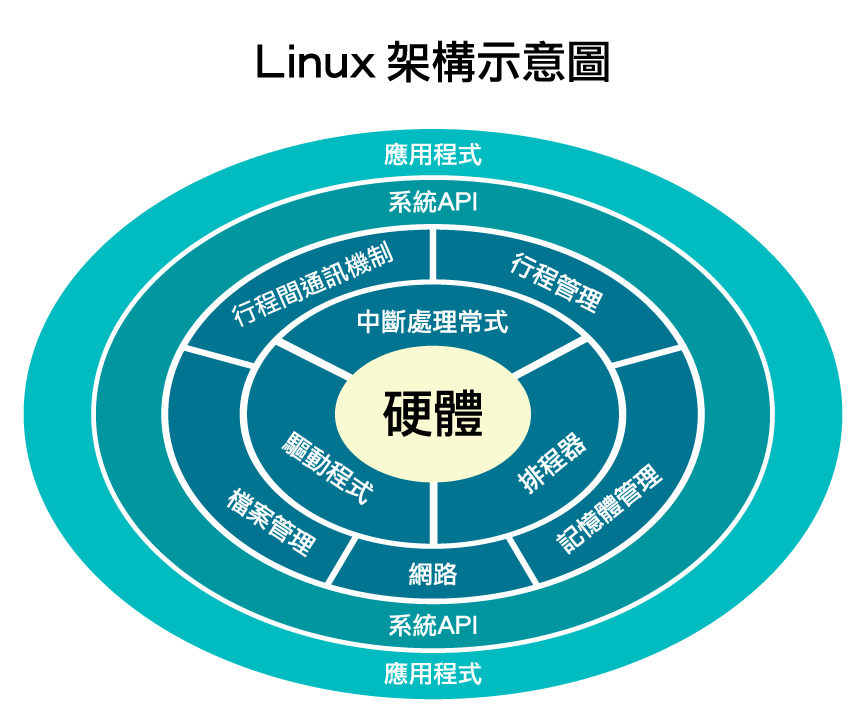
In what represents one of the most significant architectural milestones in the history of Windows developer tooling, Microsoft has officially announced the General Availability (GA) of WSL Containers (wslc.exe), accompanied by an extensive downstream update bringing the Windows Subsystem for Linux (WSL 2) in lockstep with the newly stabilized Linux 6.18 LTS kernel branch.
The release marks the culmination of a multi-year effort to transform Windows 11 into a first-class native Linux development and deployment environment, enabling developers to build, run, and scale containerized Linux microservices directly without requiring external heavy virtual machines or third-party desktop container tools.
Native WSL Containers: Architecture & Performance
Unlike traditional desktop container engines that run inside monolithic virtualization bundles, WSL Containers utilize native lightweight Linux namespaces directly inside the hypervisor-managed WSL 2 utility VM. The binary utility, wslc.exe, interfaces directly with the host Windows terminal:
- Instant Cold Starts: Container initialization times average sub-180 milliseconds, bypassing traditional multi-second Docker Desktop daemon boot delays.
- Zero Memory Ballooning: Idle containers surrender physical host RAM back to Windows 11 instantly via dynamic memory reclaim subroutines.
- OCI Compliant: Full native support for Open Container Initiative (OCI) image specifications, enabling drop-in compatibility with existing Dockerfiles and Kubernetes pod definitions.
Linux 6.18 LTS Kernel Innovations in Windows 11
The upgraded WSL 2 Linux kernel incorporates major upstream Linux 6.18 LTS improvements specifically optimized for hybrid workloads:
- DirectX GPU Fence Sharing (
DXGKRNL): Full hardware-accelerated GPU synchronization between host Windows graphics drivers and containerized Linux workloads. AI developers can run PyTorch CUDA inference pipelines with zero cross-kernel latency penalties. - Re-enabled DRM/VGEM Support: Virtual GEM memory management allows headless Linux rendering and hardware video encoding inside isolated sandbox sessions.
- Integrated ISO9660 & OverlayFS Improvements: Dramatically faster disk read/write throughput when compiling massive C++/Rust projects across cross-OS boundaries (e.g., accessing
/mnt/c/drives).
"With native WSL Containers and Linux 6.18 integration, the boundary between Windows and Linux has effectively dissolved for developers. You get the desktop fluidity of Windows 11 with the uncompromised power of a bleeding-edge Linux server kernel."
Kernel-Level Security Hardening: HVCI Enforcement
In tandem with the Linux subsystem updates, Microsoft's October release enforces mandatory Hypervisor-protected Code Integrity (HVCI) and Memory Integrity by default on compatible systems. This hardware-isolated hypervisor layer blocks unsigned kernel-mode drivers from executing, successfully mitigating recent local privilege escalation race conditions (such as CVE-2026-62840) before malicious user-space code can compromise host memory.
Primary Engineering Documentation & Kernel Archives
The technical specifications, kernel commit logs, and container benchmarks documented in this report are verified against official repository releases: